
A private home in eastern Singapore retrofitted Therm-Aire on its existing air-conditioning — and watched the monthly utility bill fall by more than 40%.
新加坡东部一户私人住宅在既有空调基础上加装 Therm-Aire——月度电费账单随之下降超过 40%。
منزل خاص شرق سنغافورة ركّب Therm-Aire على تكييفه القائم — فانخفضت فاتورته الشهرية بأكثر من 40%.
Частный дом на востоке Сингапура дооснастил существующее кондиционирование системой Therm-Aire — и месячный счёт упал более чем на 40%.
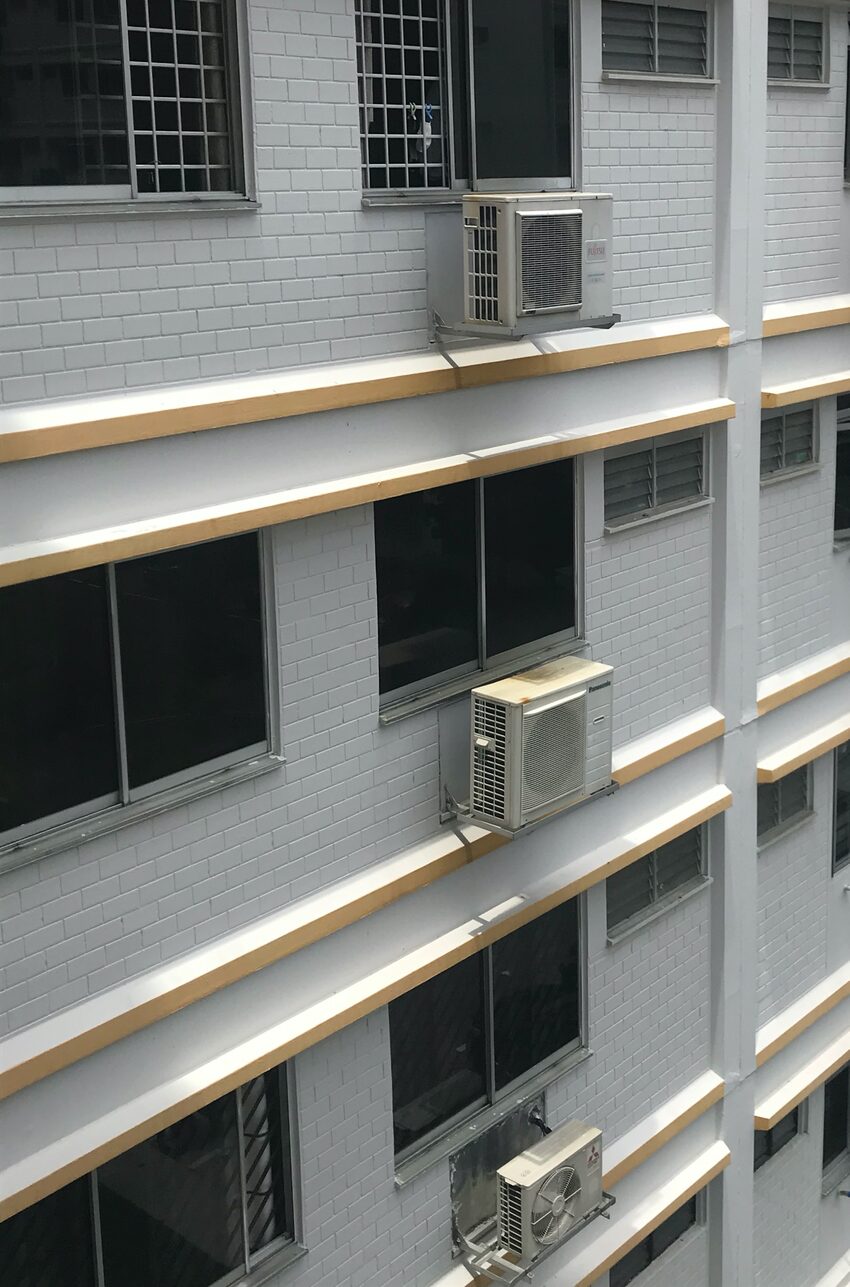
Like most Singapore households, the largest single item on this home's utility bill was air-conditioning. The owner wanted the bill down without changing how the family lived — same rooms cooled, same hours, same comfort.
与绝大多数新加坡家庭一样,这户住宅电费单上最大的单项就是空调。业主希望降低账单,但不改变家人的生活方式——同样的房间、同样的时段、同样的舒适度。
كما في معظم بيوت سنغافورة، كان التكييف أكبر بند في فاتورة هذا المنزل. أراد المالك خفض الفاتورة دون تغيير طريقة حياة الأسرة — الغرف ذاتها والساعات ذاتها والراحة ذاتها.
Как в большинстве сингапурских домов, крупнейшей строкой счёта здесь было кондиционирование. Владелец хотел снизить счёт, не меняя уклад семьи: те же комнаты, те же часы, тот же комфорт.
The retrofit followed the standard Therm-Aire pattern: evacuated tube collectors installed at the outdoor units, the solar thermal stage tied into the refrigerant circuit, and the indoor units left untouched.
改造采用标准的 Therm-Aire 方式:在室外机侧安装真空管集热器,将太阳能热力环节接入制冷剂回路,室内机保持原样不动。
اتبع التعديل نمط Therm-Aire القياسي: مجمّعات أنابيب مفرّغة عند الوحدات الخارجية، وربط المرحلة الشمسية بدائرة وسيط التبريد، مع ترك الوحدات الداخلية كما هي.
Модернизация шла по стандартной схеме Therm-Aire: вакуумные коллекторы у наружных блоков, солнечная ступень в контуре хладагента, внутренние блоки не тронуты.
No monitoring rig, no lab — just the household's own SP utility bills, month after month, running more than 40% below where they used to be.
没有监测台架,也没有实验室——只有这户人家自己的 SP 电费账单,月复一月,比过去低了 40% 以上。
لا منصة قياس ولا مختبر — فقط فواتير SP الخاصة بالمنزل، شهراً بعد شهر، أدنى بأكثر من 40% مما كانت.
Ни измерительного стенда, ни лаборатории — только собственные счета SP этой семьи, месяц за месяцем на 40 с лишним процентов ниже прежних.
With the Therm-Aire hybrid system, my monthly utility bill fell by more than 40%. 使用 Therm-Aire 混合系统后,我的月度电费下降了 40% 以上。 مع نظام Therm-Aire الهجين انخفضت فاتورتي الشهرية بأكثر من 40%. С гибридной системой Therm-Aire мой месячный счёт снизился более чем на 40%. Mr Wong · Homeowner, Loyang ViewLoyang View 业主مالك المنزل، Loyang Viewвладелец дома, Loyang View
The retrofit happens at the outdoor unit. Rooms, indoor units and remote controls stay exactly as they were.
改造集中在室外机侧。房间、室内机与遥控器全部保持原样。
يجري التعديل عند الوحدة الخارجية. تبقى الغرف والوحدات الداخلية وأجهزة التحكم كما كانت تماماً.
Работы идут у наружного блока. Комнаты, внутренние блоки и пульты остаются как были.
Households that cool during daylight hours — families at home, home offices — see the largest share of the saving.
在白天时段使用空调的家庭——居家人口、居家办公——获得的节能份额最大。
البيوت التي تبرّد في ساعات النهار — أسر في المنزل ومكاتب منزلية — تنال الحصة الأكبر من التوفير.
Дома, охлаждаемые в светлое время — семьи дома, домашние офисы, — получают наибольшую долю экономии.
The measure of success is the same one this owner used: the utility bill, before against after.
成效的衡量标准与这位业主完全相同:改造前后的电费账单对比。
مقياس النجاح هو نفسه الذي استخدمه هذا المالك: الفاتورة، قبلُ مقابل بعد.
Мерило успеха то же, что и у этого владельца: счёт «до» против счёта «после».