
A solar thermal stage inside the refrigerant circuit — not a solar panel wired to an air-conditioner. The distinction is the whole point, and it is where the saving comes from.
这是在制冷剂回路内部增加的太阳能热力环节,而不是把光伏板接到空调上。这一区别正是关键所在,节能也由此而来。
مرحلة حرارية شمسية داخل دائرة وسيط التبريد — وليست لوحاً شمسياً موصولاً بمكيف. هذا الفرق هو جوهر الفكرة، ومنه يأتي التوفير.
Тепловая солнечная ступень внутри контура хладагента — а не солнечная панель, подключённая к кондиционеру. В этом различии вся суть, и именно отсюда берётся экономия.
In any vapour-compression system, the compressor raises the refrigerant's pressure and temperature so that it can reject heat outdoors. Almost all of the electricity a cooling system consumes is spent on that one job.
在任何蒸气压缩系统中,压缩机的作用是提升制冷剂的压力与温度,使其能够在室外侧排热。制冷系统所消耗的电能,几乎全部用于这一件事。
في أي نظام انضغاط بخاري، يرفع الضاغط ضغط وسيط التبريد ودرجة حرارته ليتمكن من طرد الحرارة خارجاً. وكل الكهرباء التي يستهلكها نظام التبريد تقريباً تُنفق على هذه المهمة وحدها.
В любой парокомпрессионной системе компрессор повышает давление и температуру хладагента, чтобы тот мог отдать тепло наружу. Почти вся электроэнергия системы охлаждения уходит именно на эту работу.
Therm-Aire inserts an evacuated tube collector into the suction line, ahead of the compressor. Solar radiation and ambient heat superheat the refrigerant vapour before it is compressed. The compressor therefore begins its work from a higher pressure and temperature, and reaches the same discharge condition with less electrical input.
Therm-Aire 在压缩机之前的吸气管路上接入真空管集热器。太阳辐射与环境热能在压缩之前对制冷剂蒸气进行过热处理,压缩机因而从更高的压力与温度起步,以更少的电功输入达到相同的排气状态。
يُدخل Therm-Aire مجمّعاً بأنابيب مفرّغة في خط السحب قبل الضاغط. فيُحمَّص بخار وسيط التبريد بالإشعاع الشمسي والحرارة المحيطة قبل ضغطه، ليبدأ الضاغط عمله من ضغط ودرجة حرارة أعلى، ويبلغ حالة الطرد نفسها بمدخل كهربائي أقل.
Therm-Aire встраивает вакуумный трубчатый коллектор во всасывающую линию перед компрессором. Солнечное излучение и окружающее тепло перегревают пары хладагента до сжатия, поэтому компрессор начинает работу с более высоких давления и температуры и достигает того же состояния нагнетания с меньшими затратами электроэнергии.
Nothing downstream changes. The condenser, the expansion device, the indoor units and the controls all remain conventional, which is why the system can be retrofitted to buildings already in service.
下游环节完全不变。冷凝器、节流装置、室内机与控制系统均维持常规配置——这也是该系统可以在既有建筑上加装改造的原因。
لا شيء يتغير بعد ذلك. يبقى المكثف وجهاز التمدد والوحدات الداخلية وأجهزة التحكم كلها تقليدية — ولهذا يمكن تركيب النظام في مبانٍ قيد الخدمة أصلاً.
Дальше по контуру ничего не меняется. Конденсатор, дроссель, внутренние блоки и управление остаются обычными — поэтому систему можно устанавливать в уже эксплуатируемых зданиях.
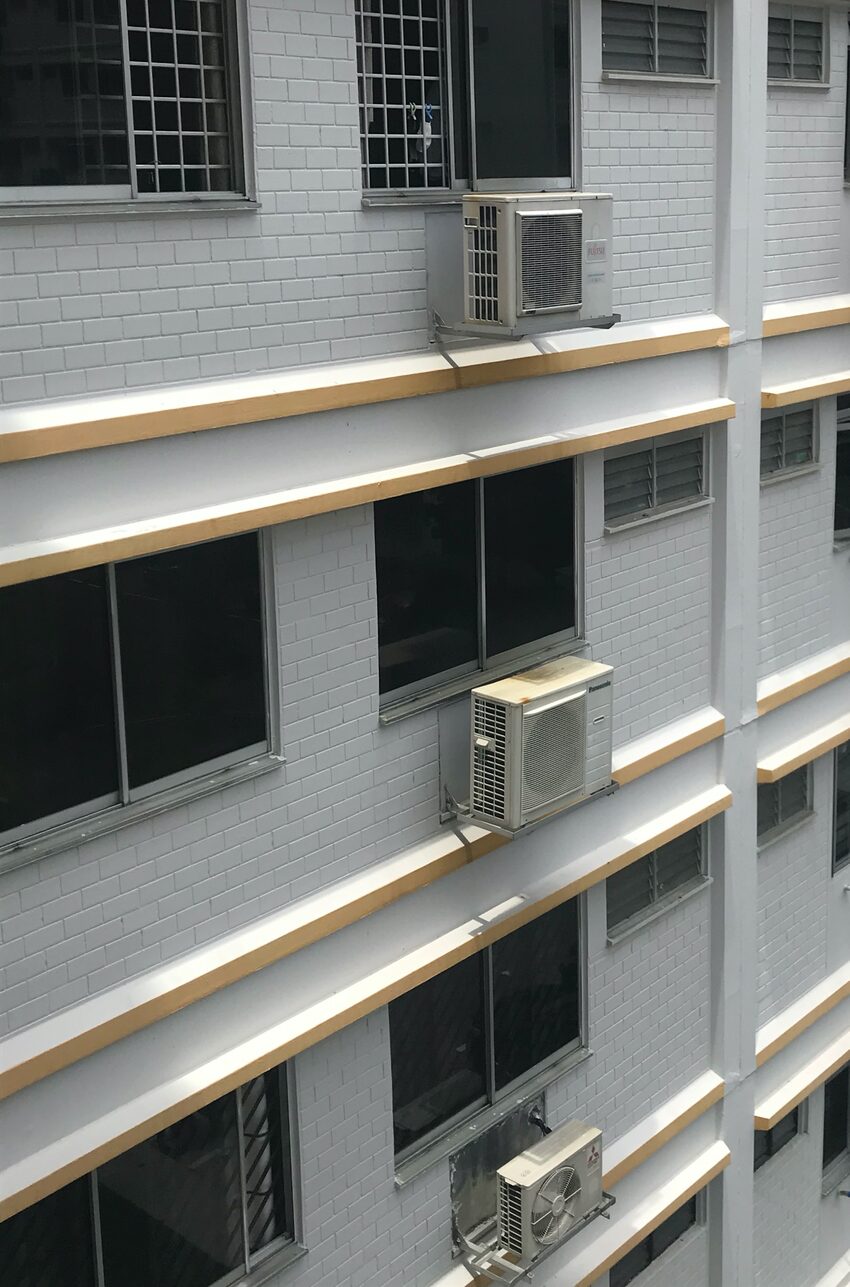
One added component, one added heat input, on an otherwise standard refrigeration loop.
在一个其余部分完全标准的制冷循环上,增加一个部件、引入一路热量。
مكوّن واحد مضاف ومدخل حراري واحد، على حلقة تبريد قياسية في ما عدا ذلك.
Один добавленный узел, один дополнительный подвод тепла — в остальном стандартный холодильный контур.
Solar cooling is a crowded term. These approaches differ in what they capture, what they drive, and what has to change in the building.
"太阳能制冷"是一个含义混杂的说法。以下三条路径在"捕获什么、驱动什么、建筑需要改动什么"上截然不同。
«التبريد الشمسي» مصطلح مزدحم بالمعاني. تختلف هذه المقاربات في ما تلتقطه وما تشغّله وما يجب تغييره في المبنى.
«Солнечное охлаждение» — размытый термин. Эти подходы различаются тем, что они улавливают, что приводят в действие и что придётся менять в здании.
| Dimension | Therm-Aire solar thermal | Photovoltaic-powered cooling | Absorption chiller |
|---|---|---|---|
| 维度 | Therm-Aire 太阳能热制冷 | 光伏供电制冷 | 吸收式制冷机 |
| المعيار | Therm-Aire الشمسي الحراري | تبريد بالطاقة الكهروضوئية | مبرّد امتصاصي |
| Критерий | Therm-Aire (солнечно-тепловой) | Охлаждение от фотоэлектрики | Абсорбционный чиллер |
| What is captured | Solar radiation and ambient heat | Solar radiation converted to electricity | Solar or waste heat at higher temperature |
| What it acts on | The refrigerant itself, before compression | The building's electricity supply | A separate thermally driven cooling cycle |
| Indoor equipment | Unchanged — conventional indoor units | Unchanged | Chilled water distribution required |
| Typical scale | Split and packaged systems, per block or per unit | Whole-building electrical supply | Large central plant |
| Retrofit into an occupied building | Practical — the circuit is modified at the outdoor unit | Practical, subject to roof area and grid approval | Major works |
| Behaviour without sun | Reverts to conventional operation; ambient heat still contributes | Draws from grid or storage | Requires a backup heat source |
| 捕获什么 | 太阳辐射与环境热能 | 太阳辐射转换为电能 | 较高温度的太阳能热或工业废热 |
| 作用对象 | 制冷剂本身,且在压缩之前 | 建筑的电力供应侧 | 另设一套热驱动制冷循环 |
| 室内设备 | 不变,沿用常规室内机 | 不变 | 需要冷冻水输配系统 |
| 典型规模 | 分体式与单元式系统,按栋或按户配置 | 整栋建筑的电力供应 | 大型中央机房 |
| 在使用中的建筑加装 | 可行,改造集中在室外机侧的回路 | 可行,受屋面面积与并网审批限制 | 属于重大改造工程 |
| 无日照时的运行 | 回到常规运行方式,环境热能仍有贡献 | 取用市电或储能 | 需要备用热源 |
| ما يُلتقط | الإشعاع الشمسي والحرارة المحيطة | إشعاع شمسي يُحوَّل إلى كهرباء | حرارة شمسية أو مهدورة بدرجة أعلى |
| ما يؤثر فيه | وسيط التبريد نفسه، قبل الضغط | إمداد المبنى بالكهرباء | دورة تبريد حرارية منفصلة |
| المعدات الداخلية | بلا تغيير — وحدات داخلية تقليدية | بلا تغيير | يلزم توزيع ماء مبرَّد |
| الحجم المعتاد | أنظمة سبليت ومجمّعة، لكل مبنى أو وحدة | إمداد كهربائي للمبنى كله | محطة مركزية كبيرة |
| التركيب في مبنى مأهول | عملي — يُعدَّل المسار عند الوحدة الخارجية | عملي، بحسب مساحة السطح وموافقة الشبكة | أشغال كبرى |
| السلوك بلا شمس | يعود للتشغيل التقليدي؛ وتبقى الحرارة المحيطة مساهمة | يسحب من الشبكة أو التخزين | يتطلب مصدر حرارة احتياطياً |
| Что улавливается | Солнечное излучение и окружающее тепло | Солнечное излучение, преобразуемое в электричество | Солнечное или сбросное тепло более высокой температуры |
| На что действует | Непосредственно на хладагент, до сжатия | На электроснабжение здания | Отдельный теплоприводной цикл охлаждения |
| Внутреннее оборудование | Без изменений — обычные внутренние блоки | Без изменений | Нужна разводка охлаждённой воды |
| Типичный масштаб | Сплит- и моноблочные системы, на корпус или квартиру | Электроснабжение всего здания | Крупная центральная станция |
| Модернизация занятого здания | Реальна — контур меняется у наружного блока | Реальна, зависит от площади крыши и согласования с сетью | Капитальные работы |
| Работа без солнца | Возврат к обычному режиму; окружающее тепло всё ещё помогает | Питание из сети или накопителя | Нужен резервный источник тепла |
In the BCA Academy side-by-side test, a Therm-Aire system recorded 38.9 kW against 62.0 kW for a popular branded inverter system over a 4.5-day monitored period — a saving of 23.1 kW, or 37%.
在新加坡建设局学院 BCAA 的并行对比实验中,4.5 天监测周期内,Therm-Aire 系统实测 38.9 kW,对标主流品牌变频系统为 62.0 kW——降低 23.1 kW,节电 37%。
في اختبار أكاديمية BCA المتوازي، سجّل نظام Therm-Aire 38.9 كيلوواط مقابل 62.0 كيلوواط لنظام إنفرتر من علامة شائعة خلال 4.5 يوم من المراقبة — أي توفير 23.1 كيلوواط أو 37%.
В параллельном тесте BCA Academy система Therm-Aire показала 38,9 кВт против 62,0 кВт у инверторной системы популярной марки за 4,5 дня наблюдений — экономия 23,1 кВт, или 37%.
Published figures for the technology across installations range more widely than that, because the result on any given building is governed by four things:
该技术在不同项目上的公开数据区间比这一数字更宽,因为具体建筑的结果取决于以下四项:
تتفاوت الأرقام المنشورة عبر المشاريع في نطاق أوسع من ذلك، لأن نتيجة أي مبنى تحكمها أربعة أمور:
Опубликованные показатели по разным объектам варьируются шире, потому что результат конкретного здания определяют четыре фактора:
The system operates conventionally. Ambient heat around the outdoor unit still contributes some superheat, but the large saving belongs to the sunlit hours. Any honest projection must weight the saving by your actual operating hours — ours does.
系统按常规方式运行。室外机周边的环境热能仍能提供一部分过热,但显著的节能属于有日照的时段。任何诚实的测算都必须按贵方实际运行时段加权——我们的测算即如此处理。
يعمل النظام بشكل تقليدي. تظل الحرارة المحيطة بالوحدة الخارجية تسهم ببعض التحميص، لكن التوفير الكبير يخص ساعات الشمس. وأي تقدير نزيه يجب أن يوزن التوفير بساعات تشغيلك الفعلية — وتقديرنا يفعل ذلك.
Система работает в обычном режиме. Окружающее тепло у наружного блока всё же даёт часть перегрева, но основная экономия приходится на солнечные часы. Честный прогноз должен взвешивать экономию по вашим фактическим часам работы — наш именно так и устроен.
System cost has been reported at roughly 20% above a standard inverter installation, with the difference recovered from electricity savings in about two years. Tariffs and running hours move that number in both directions, so we quote it per building rather than as a headline.
公开报道口径为系统成本较标准变频方案高出约 20%,差额通常在两年左右由电费节省收回。电价与运行小时数会使该数字上下浮动,因此我们按建筑逐个测算,而不作统一宣称。
التكلفة المعلنة أعلى بنحو 20% من تركيب إنفرتر قياسي، ويُسترد الفارق من توفير الكهرباء خلال نحو عامين. وتحرّك التعرفة وساعات التشغيل هذا الرقم في الاتجاهين، لذا نحسبه لكل مبنى لا كعنوان عام.
По опубликованным данным система стоит примерно на 20% дороже стандартной инверторной установки, и разница возвращается экономией электроэнергии примерно за два года. Тарифы и наработка сдвигают цифру в обе стороны, поэтому мы считаем её для каждого здания, а не выносим в заголовок.
Mounted at the outdoor unit — on a roof, ledge or bracket. Sized to the compressor duty, not to the roof area available.
安装于室外机附近的屋面、挑檐或支架上。按压缩机工况选型,而非按可用屋面面积配置。
يُثبَّت عند الوحدة الخارجية — على سطح أو حافة أو حامل. يُحدد حجمه بعمل الضاغط لا بمساحة السطح المتاحة.
Монтируется у наружного блока — на крыше, карнизе или кронштейне. Подбирается по режиму компрессора, а не по площади крыши.
The heat exchange stage that ties the collector into the suction line, with isolation for service.
将集热器接入吸气管路的换热环节,并设置检修隔断。
مرحلة التبادل الحراري التي تربط المجمّع بخط السحب، مع عزل للصيانة.
Теплообменная ступень, связывающая коллектор со всасывающей линией, с отсечкой для обслуживания.
Conventional outdoor unit, matched to the system. Existing units can be retained where condition allows.
常规室外机组,与系统匹配。状况允许时可保留既有机组。
وحدة خارجية تقليدية متوافقة مع النظام. ويمكن الإبقاء على الوحدات القائمة إذا سمحت حالتها.
Обычный наружный блок, согласованный с системой. При хорошем состоянии можно сохранить существующие блоки.
Set-point control per zone, with metering so the saving can be verified against the baseline rather than asserted.
分区设定点控制,并配置计量,使节能量可对照基准进行核验,而非仅凭宣称。
تحكم بنقطة الضبط لكل منطقة، مع عدّادات ليُتحقق من التوفير مقابل خط الأساس بدل الاكتفاء بالادعاء.
Позонное управление уставками и учёт, чтобы экономию можно было сверить с базой, а не декларировать.
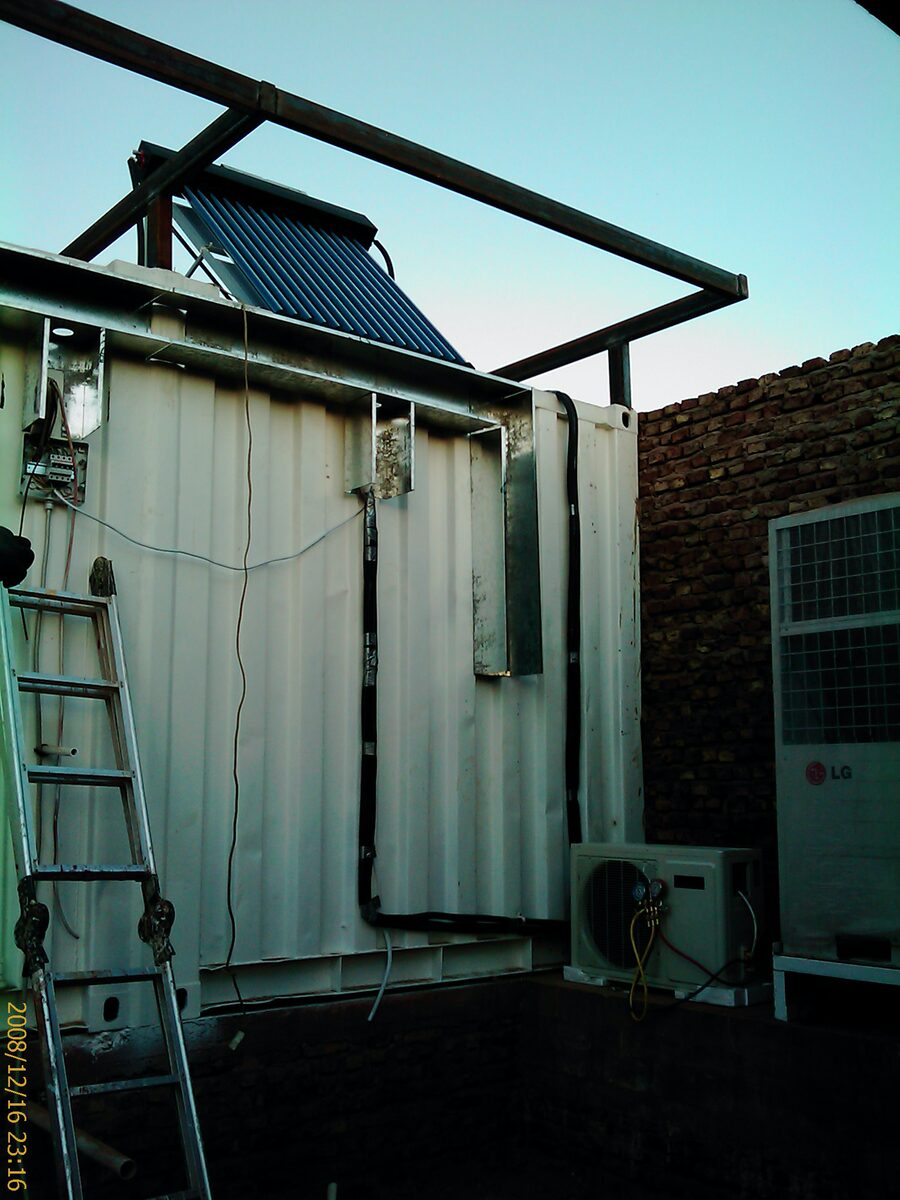
Conventional systems lose capacity as ambient temperature rises — precisely when the building needs them most. Therm-Aire's thermal stage gains input under the same conditions, which is why the technology was deployed in Sudan in 2008 and has run there since.
环境温度升高时,常规系统的制冷能力反而下降——而这正是建筑最需要制冷的时刻。Therm-Aire 的热力环节在同样条件下获得的输入反而增加,这也是该技术于 2008 年在苏丹落地并持续运行至今的原因。
تفقد الأنظمة التقليدية قدرتها كلما ارتفعت حرارة الجو — في اللحظة التي يحتاجها المبنى أكثر ما يكون. أما مرحلة Therm-Aire الحرارية فيزداد مدخلها في الظروف نفسها، ولهذا نُشرت التقنية في السودان عام 2008 وتعمل هناك منذئذ.
Обычные системы теряют мощность с ростом температуры воздуха — именно тогда, когда зданию они нужнее всего. Тепловая ступень Therm-Aire в тех же условиях, напротив, получает больше энергии — поэтому технология была развёрнута в Судане в 2008 году и работает там до сих пор.
Configurations for Gulf and Sahel conditions, including high-ambient design points, are part of our current product programme. Talk to us about the specific market and its certification requirements.
面向海湾与萨赫勒地区条件(含高温设计工况)的机型配置,属于我们当前的产品开发计划。具体市场及其认证要求可与我们直接沟通。
التهيئات الخاصة بظروف الخليج والساحل، بما فيها نقاط التصميم للحر الشديد، جزء من برنامج منتجاتنا الحالي. حدّثنا عن سوقك المحددة ومتطلبات اعتمادها.
Конфигурации для условий Залива и Сахеля, включая расчётные точки для высокой температуры, входят в нашу текущую продуктовую программу. Обсудите с нами конкретный рынок и его требования к сертификации.
We will share the test data, the sizing method and the reference installations under a mutual confidentiality arrangement.
在双方保密安排下,我们可提供实测数据、选型方法与参考项目资料。
سنشارككم بيانات الاختبار وطريقة تحديد الأحجام والمشاريع المرجعية ضمن اتفاق سرية متبادل.
Мы предоставим данные испытаний, методику подбора и референс-объекты в рамках взаимного соглашения о конфиденциальности.